
Every 2026 Oscar-Nominated Screenplay You Can Download Right Now (for Free)
The 98th Academy Awards are in the books. Ryan Coogler took home Best Original Screenplay for SINNERS. Paul Thomas Anderson finally got his Oscar for Best Adapted Screenplay (and Best Picture, and Best Director) with ONE BATTLE AFTER ANOTHER. And you can read almost every nominated script right now, for free.
Every year, studios release their nominated screenplays as part of the Oscar campaign. They want voters to read the scripts. And lucky for us, they don't check credentials at the door. These are the actual production scripts, released by the studios themselves. Not fan transcriptions or reverse-engineered transcripts cobbled together from watching the movie with subtitles on. These are the real thing.
If you're a screenwriter and you're not reading nominated scripts every awards season, you're leaving craft on the table. These are the scripts that made it through development, production, test screenings, and awards campaigns. They're a masterclass in what's working right now.
So let's cut to it:
Best Original Screenplay
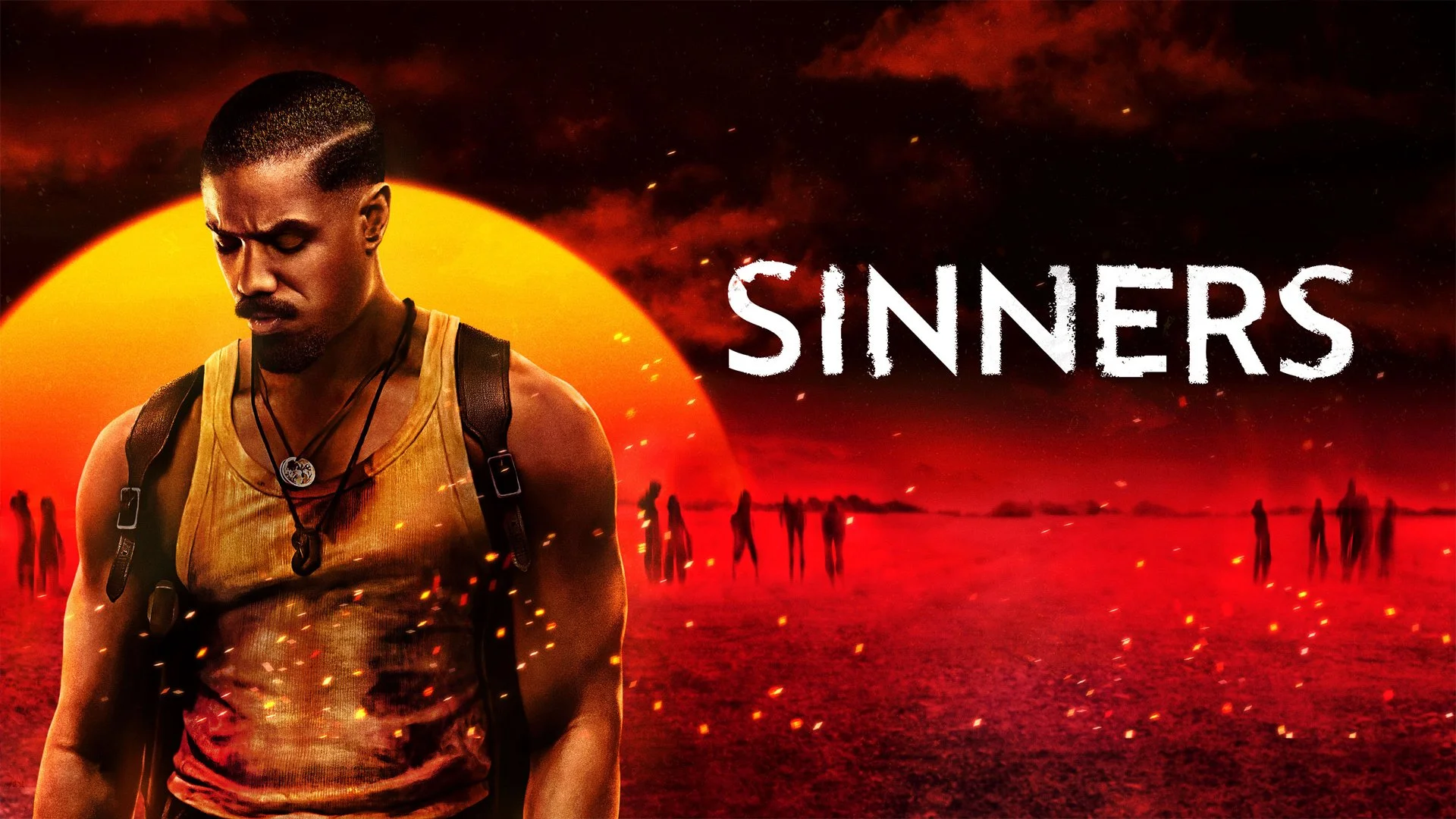
SINNERS by Ryan Coogler // WINNERDownload the PDF here
Coogler's been building toward something like this for years. A period piece with teeth, anchored by phenomenal dual performances from Michael B. Jordan. Read this one for structure. The way Coogler braids timelines while keeping the emotional throughline crystal clear is worth studying.
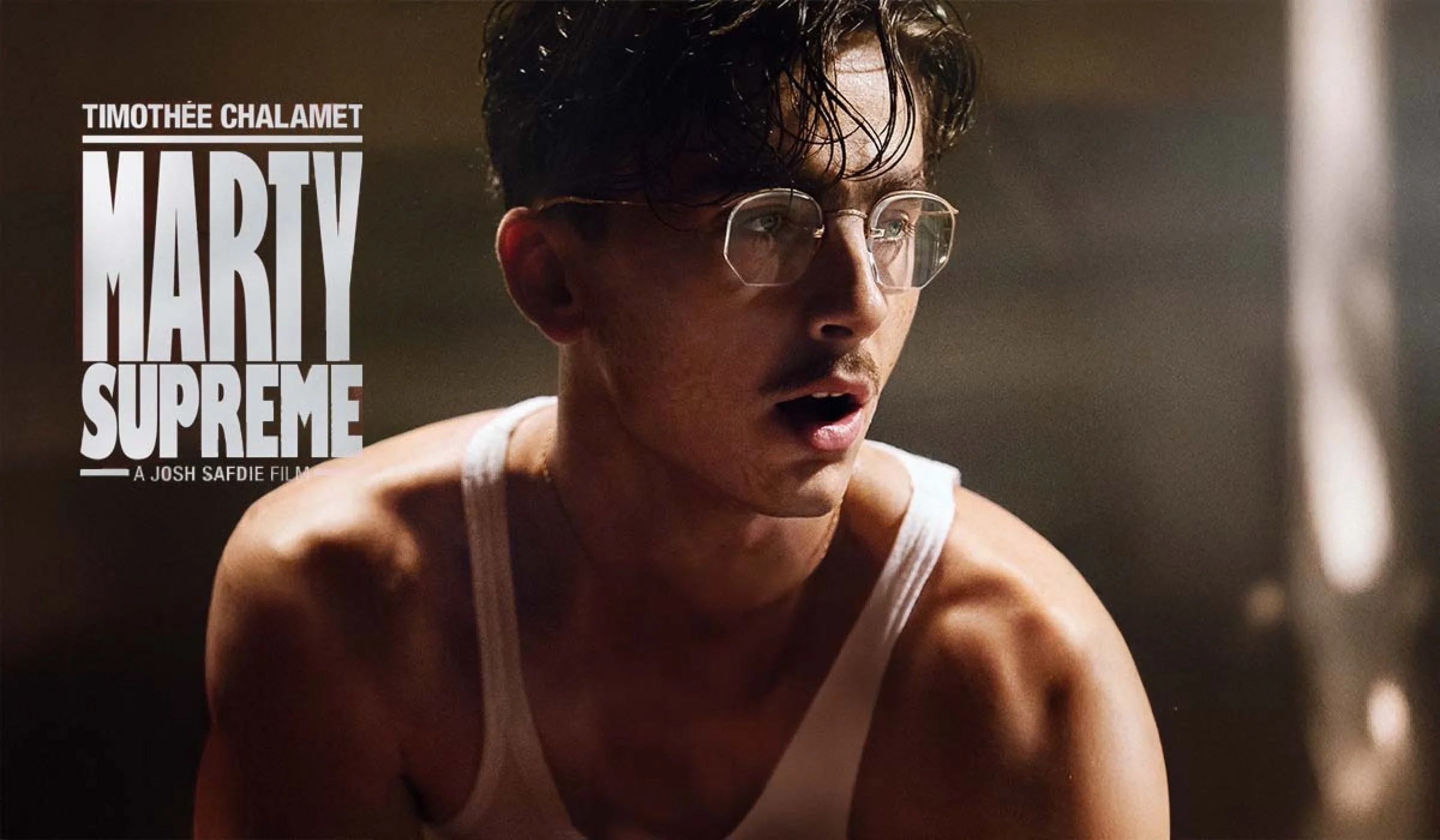
MARTY SUPREME by Ronald Bronstein & Josh Safdie Download the PDF here
The Safdies doing what the Safdies do. Timothée Chalamet as a ping pong hustler in 1950s New York. The dialogue in this script alone is worth the read.
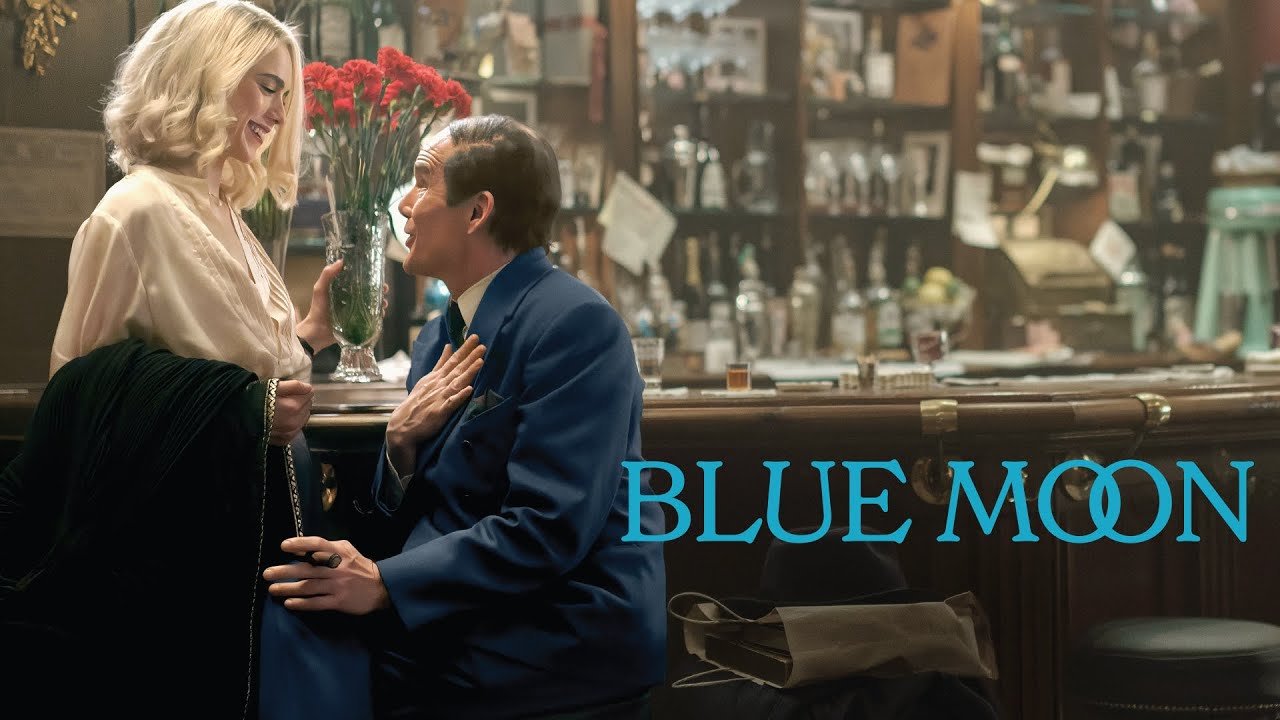
BLUE MOON by Robert Kaplow Download the PDF here
Linklater directs, which means you already know the conversations will be doing the heavy lifting. Kaplow's script is a love letter to a single night, a single place, and the kind of dialogue that makes you forget you're reading and not listening. If you're working on anything dialogue-driven, start here.
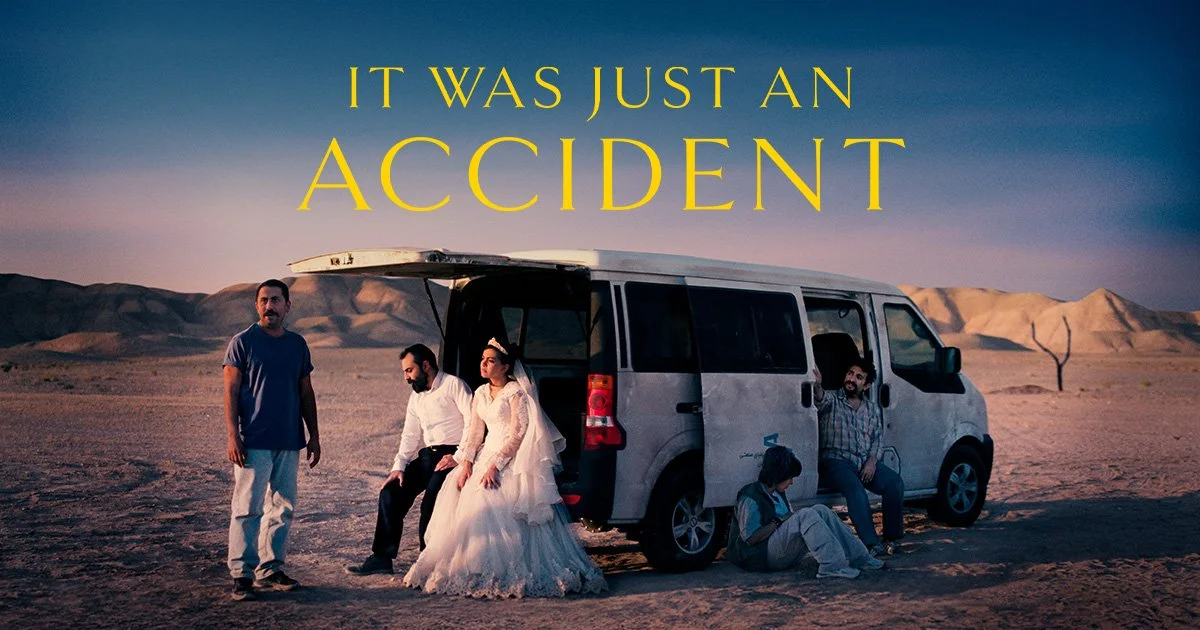
IT WAS JUST AN ACCIDENT by Jafar Panahi, Nader Saïvar, Shadmehr Rastin & Mehdi Mahmoudian Download the PDF here
A note on this one: the original screenplay is in Farsi. This PDF is the official English translation released by the studio for FYC purposes. It's the real script, translated for voters. If you only want to read scripts in their original language, skip this one. But if you're interested in how Panahi constructs a story under constraints that would paralyze most filmmakers, it's worth your time.
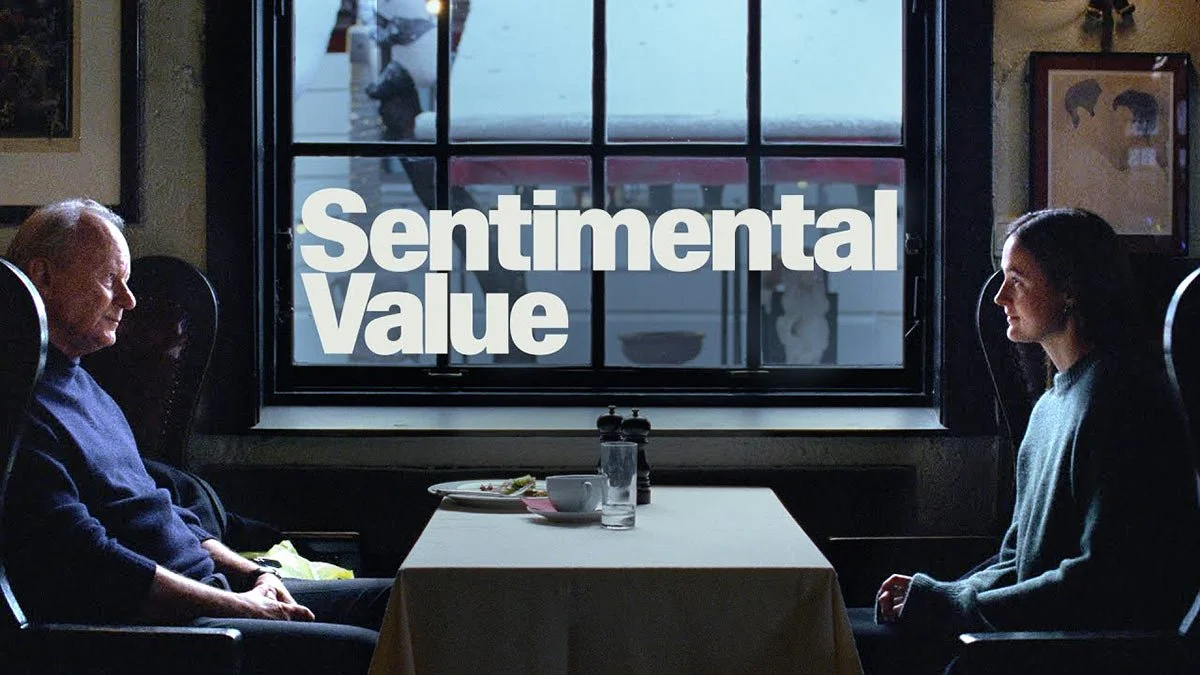
SENTIMENTAL VALUE by Eskil Vogt & Joachim Trier Download the PDF here
Same note here: originally written in Norwegian, this is the official English translation. Trier and Vogt have been collaborating since REPRISE, and their writing partnership is one of the most interesting in contemporary cinema. This won the Grand Prix at Cannes, and the script reads like a family drama that keeps peeling back layers you didn't know were there.
Best Adapted Screenplay
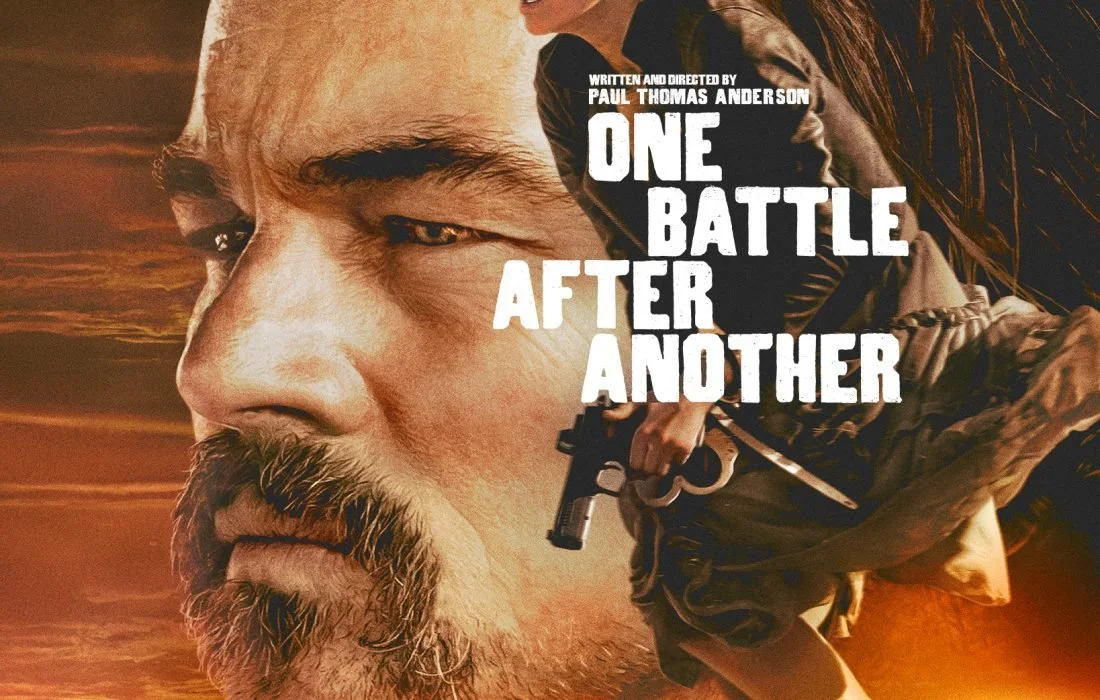
ONE BATTLE AFTER ANOTHER by Paul Thomas Anderson // WINNER (also Best Picture, Best Director)
The big one. Anderson's first Oscar after 14 nominations spanning nearly 30 years. Loosely adapted from Thomas Pynchon's Vineland, and if you know how Pynchon writes, you know the adaptation challenge was massive. But this one doesn't have a publicly available PDF. PTA has never been particularly eager to release his scripts into the wild, and even an Oscar sweep hasn't changed that. If a PDF surfaces, I'll update this post. For now, you'll have to settle for watching it twice.
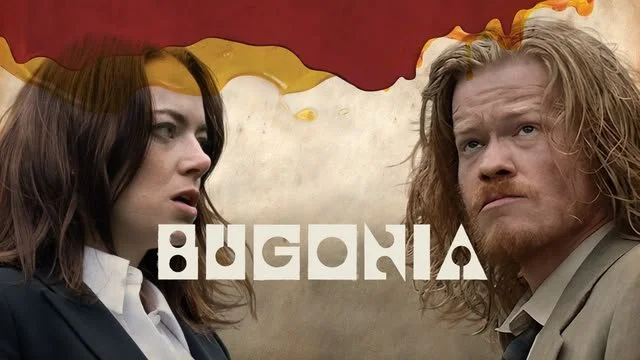
BUGONIA by Will Tracy Download the PDF here
Yorgos Lanthimos directing a Will Tracy screenplay. If you saw THE MENU (also Tracy), you know what you're in for: razor-sharp satire with a premise that sounds absurd until it doesn't. This is a great one to study for tone. The script walks a line between comedy and horror that requires absolute precision.
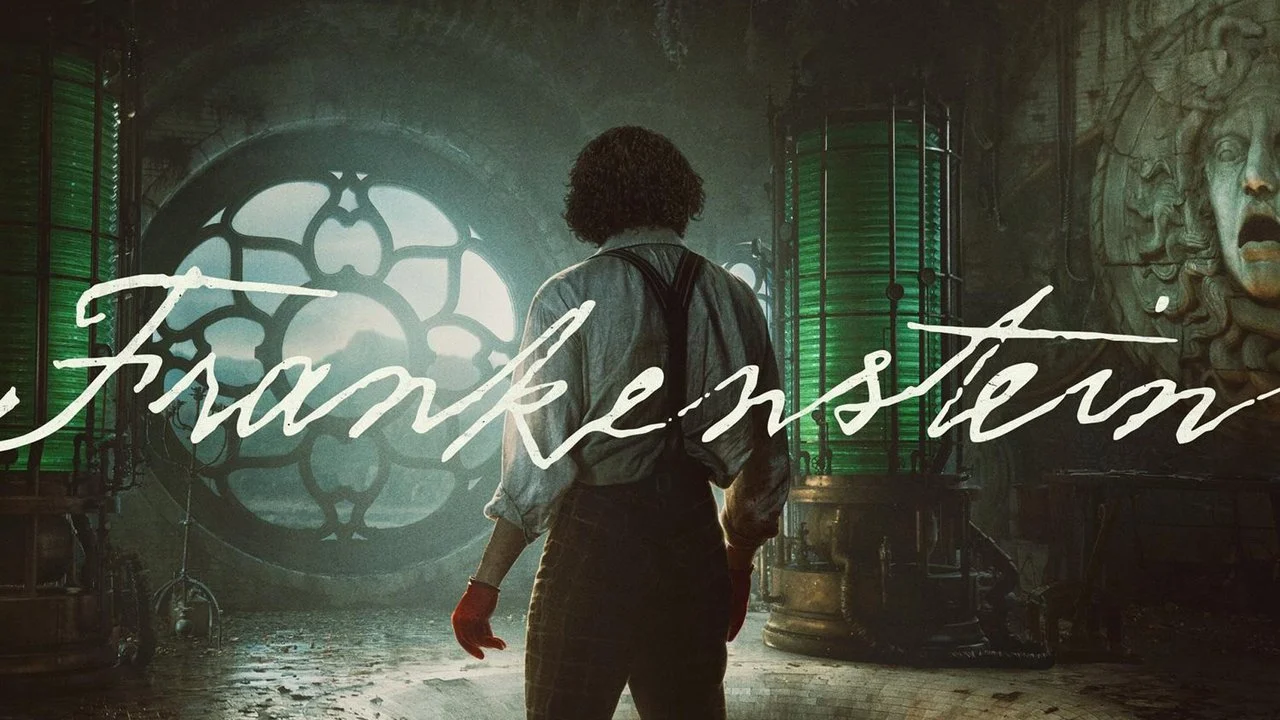
FRANKENSTEIN by Guillermo del Toro Download the PDF here
Del Toro has been trying to make this movie for decades. Reading the script, you can feel why he couldn't let it go. This isn't a horror retread. It's del Toro doing what he does best: finding the humanity in the monster and the monstrousness in humanity. The adaptation choices here (what he kept, what he cut, what he invented) are a clinic in how to approach source material.
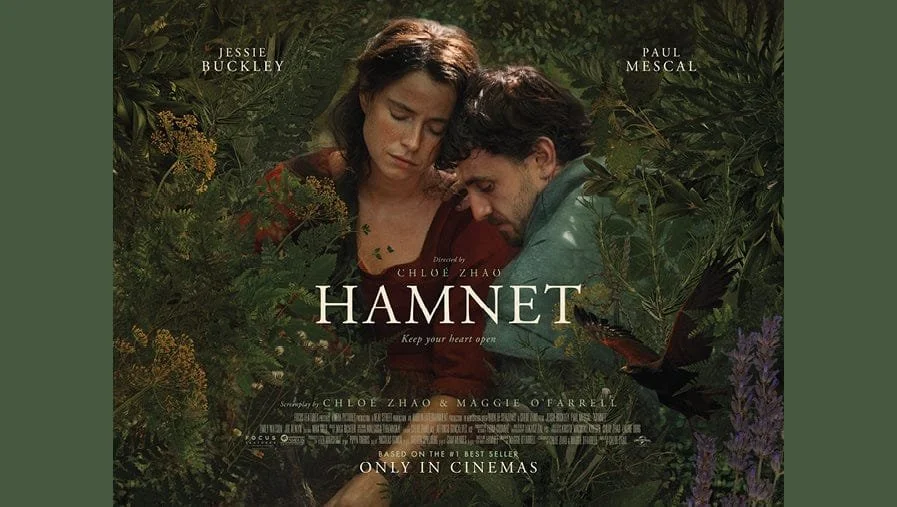
HAMNET by Chloé Zhao & Maggie O'Farrell Download the PDF here
Zhao co-writing with O'Farrell (who wrote the novel) is exactly the kind of collaboration that produces something neither could have made alone. The script reimagines what drove Shakespeare to write HAMLET, grounding it in grief, marriage, and the cost of genius on the people who live with it. Read this for character work.
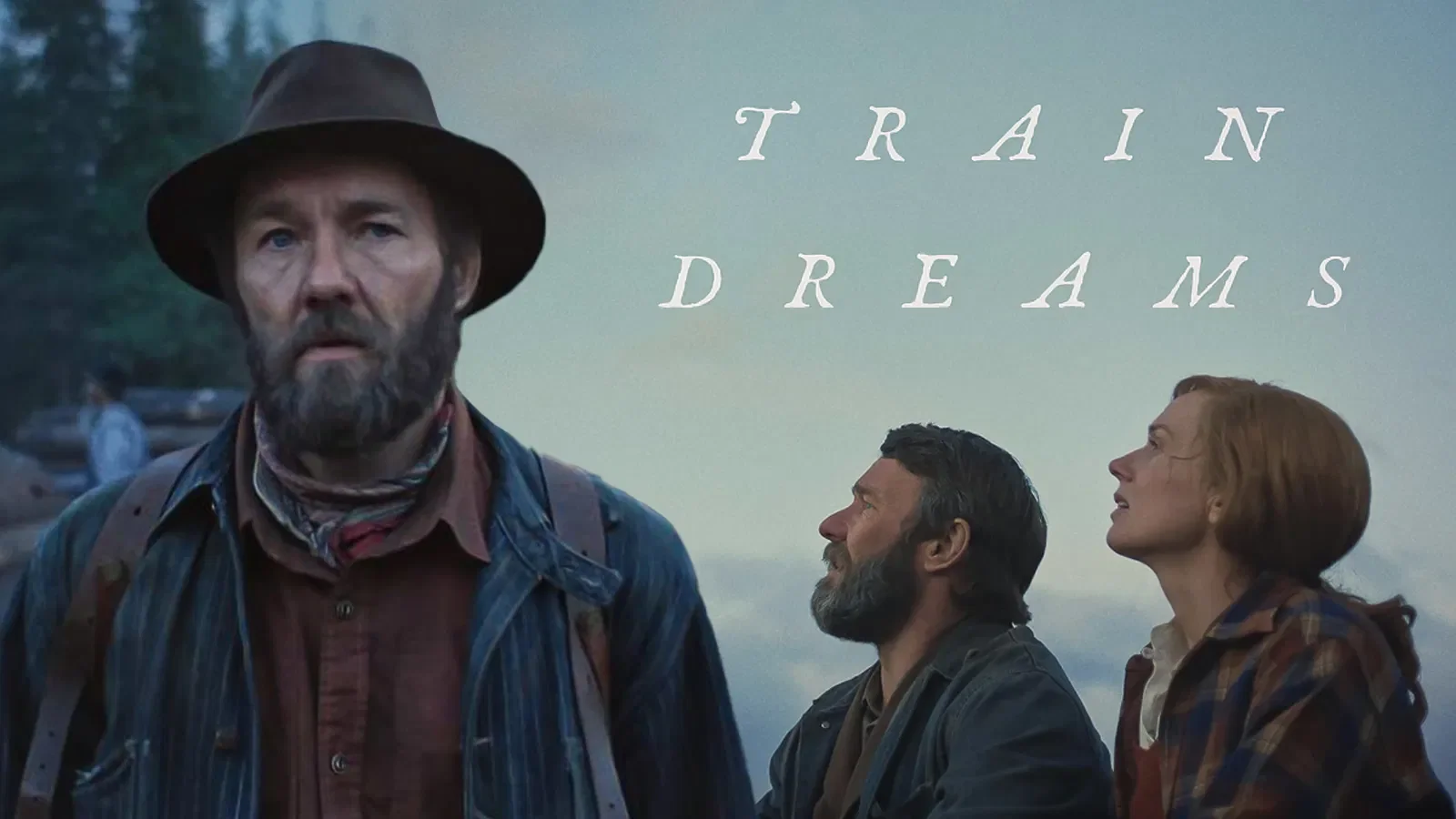
TRAIN DREAMS by Clint Bentley & Greg Kwedar Download the PDF here
Adapted from Denis Johnson's novella, Bentley & Kwedar made some bold structural choices in the translation from page to screen. The novella is interior and fragmented. The screenplay finds a way to externalize that without losing the loneliness that makes the story work. A great study in adapting "unadaptable" source material.
How to Actually Use These
Downloading them is the easy part. Here's how to make the reading count:
Read with a pen. (Or a highlighter, or whatever your annotation tool of choice is.) Don't just absorb. Mark the moments where you feel something shift. Where did the writer turn the scene? Where did they plant something you didn't notice until the payoff?
Read one from each category back to back. An original and an adapted. Notice what's different about how they approach structure. Originals tend to have more freedom in their architecture. Adaptations are solving a puzzle: how do you honor the source while making something that works as a film?
Read the one that's closest to what you're writing. If you're working on a period piece, read SINNERS and HAMNET. If you're working on dark comedy, read BUGONIA. If you're adapting something, read TRAIN DREAMS or FRANKENSTEIN. The most useful script to study is the one that's solving a problem similar to yours.
And if you want a space to actually talk about these scripts with other writers, you know where to find me.
Kate Gaulke is a screenwriting coach, development consultant, and script coverage provider. Find her at kategaulke.com or on Instagram @kate.gaulke.
Curious about working together? Let’s set a free consult.